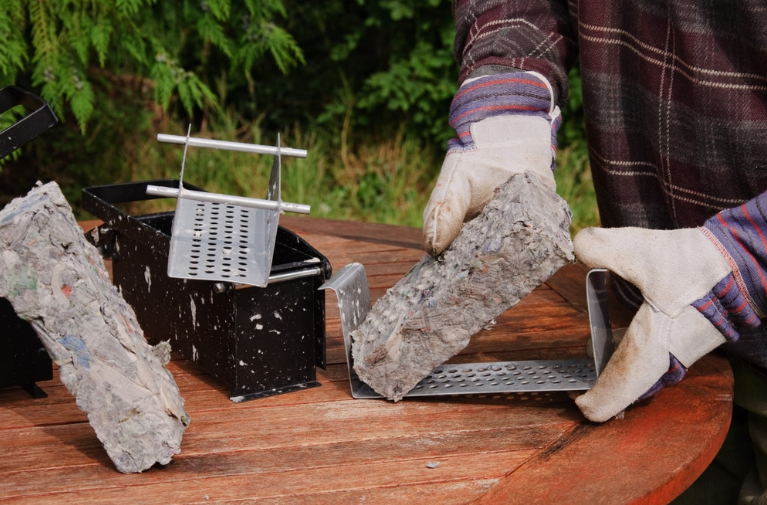
This course explores how companies can apply de-manufacturing processes, such as disassembly, remanufacturing, and recycling, to manage end-of-life products in a way that aligns with sustainability goals and operational efficiency. As industries face increasing pressure from environmental regulations, material scarcity, and consumer demand for greener products, de-manufacturing offers a structured approach to recover components, reduce waste, and reintegrate materials into production cycles. By embedding de-manufacturing into their value chain, companies not only enhance resource efficiency but also build more adaptable, circular, and economically viable operations.
Audience/ Who should attend
Engineers, designers, and operations managers in manufacturing
Sustainability and ESG teams focused on circular economy goals
Companies addressing EPR and EU regulations (e.g. Digital Product Passport)
Firms working toward ISO 14001, ISO 9001, or similar standards
Startups and SMEs building circular or recycling-based business models
Supply chain and procurement professionals sourcing recovered materials
Government agencies and public institutions developing waste management, sustainability, or circular economy policies
Course objectives
This course aims at helping both professionals and organizations address sustainability and operational challenges, offering practical and strategic insight into de-manufacturing.
Learn to plan and optimize end-of-life product treatment
Navigate key regulations like EPR and the Digital Product Passport
Improve resource efficiency and reduce waste costs
Align with ISO and circular economy goals
Support sustainable product design and compliance initiatives
Course Outlines
Day 1: Understanding De-manufacturing and Circular Economy
Introduce de-manufacturing and its role in circularity
Explain key policies like EPR, DPP, and ESPR
Discuss environmental and economic drivers for companies
Show how circular models cut raw material dependency
Day 2: Disassembly as a Strategic Operation
Present types of disassembly
Explain disassembly planning
Show how companies recover valuable components
Link disassembly to savings, modularity, and serviceability
Day 3: Remanufacturing for Value and Performance
Define remanufacturing and how it differs from recycling
Explore quality standards, inspections, and economic factors
Give examples from automotive and electronics industries
Show revenue, cost savings, and lifecycle benefits
Day 4: Recycling Systems and Materials Recovery
Introduce mechanical recycling processes
Explain key technologies like eddy current and optical sorting
Discuss process modeling and performance indicators
Show how recycling cuts waste costs and supports circularity
Day 5: Designing and Integrating De-manufacturing Systems
Cover system integration of disassembly, remanufacturing, and recycling
Introduce digital tools, modeling methods, and system KPIs
Implement de-manufacturing in operations or supply chains
Discuss long-term business benefits and field trip
Field trip
Course Outlines
Day 1: Understanding De-manufacturing and Circular Economy
Day 2: Disassembly as a Strategic Operation
Introduce de-manufacturing and its role in circularity
Explain key policies like EPR, DPP, and ESPR
Discuss environmental and economic drivers for companies
Show how circular models cut raw material dependency
Present types of disassembly
Explain disassembly planning
Show how companies recover valuable components
Link disassembly to savings, modularity, and serviceability
Day 3: Remanufacturing for Value and Performance
Day 4: Recycling Systems and Materials Recovery
Define remanufacturing and how it differs from recycling
Explore quality standards, inspections, and economic factors
Give examples from automotive and electronics industries
Show revenue, cost savings, and lifecycle benefits
Introduce mechanical recycling processes
Explain key technologies like eddy current and optical sorting
Discuss process modeling and performance indicators
Show how recycling cuts waste costs and supports circularity
Day 5: Designing and Integrating De-manufacturing Systems
Cover system integration of disassembly, remanufacturing, and recycling
Introduce digital tools, modeling methods, and system KPIs
Implement de-manufacturing in operations or supply chains
Discuss long-term business benefits and field trip
Field trip
Note: The actual course delivery may not follow the exact order of the outlined topics and may place greater emphasis on certain areas based on participant needs and relevance.
De-manufacturing Practices, Stronger Brands
Applying de-manufacturing concepts helps companies build reliability and trust with customers, regulators, and stakeholders. Designing products for disassembly, enabling component reuse, and recovering valuable materials shows a strong commitment to sustainability and transparency. This enhances brand reputation, increases customer loyalty, and adds tangible value.
Certification
Upon completion of this course, participants will receive a certificate from Tourmaline Training, including digital verification for authenticity.
Languages: Arabic/ English
Locations: Milan (Italy), Roma (Italy), New York (USA), New Haven (USA), Boston (USA), Istanbul (Turkey), Online
Duration: 1 week
Milan, Italy
6 Apr – 10 Apr 2026
3900
Roma, Italy
6 Apr – 10 Apr 2026
4400
New York, USA
6 Apr – 10 Apr 2026
7500
Boston, USA
6 Apr – 10 Apr 2026
7000
Istanbul, Turkey
6 Apr – 10 Apr 2026
3900
Online
6 Apr – 10 Apr 2026
1400
Milan, Italy
13 Apr – 17 Apr 2026
3900
Roma, Italy
13 Apr – 17 Apr 2026
4400
New York, USA
13 Apr – 17 Apr 2026
7500
Boston, USA
13 Apr – 17 Apr 2026
7000
Istanbul, Turkey
13 Apr – 17 Apr 2026
3900
Online
13 Apr – 17 Apr 2026
1400
Milan, Italy
20 Apr – 24 Apr 2026
3900
Roma, Italy
20 Apr – 24 Apr 2026
4400
New York, USA
20 Apr – 24 Apr 2026
7500
Boston, USA
20 Apr – 24 Apr 2026
7000
Istanbul, Turkey
20 Apr – 24 Apr 2026
3900
Online
20 Apr – 24 Apr 2026
1400
Milan, Italy
27 Apr – 1 May 2026
3900
Roma, Italy
27 Apr – 1 May 2026
4400
New York, USA
27 Apr – 1 May 2026
7500
Boston, USA
27 Apr – 1 May 2026
7000
Istanbul, Turkey
27 Apr – 1 May 2026
3900
Online
27 Apr – 1 May 2026
1400
Milan, Italy
4 May – 8 May 2026
3900
Roma, Italy
4 May – 8 May 2026
4400
New York, USA
4 May – 8 May 2026
7500
Boston, USA
4 May – 8 May 2026
7000
Istanbul, Turkey
4 May – 8 May 2026
3900
Online
4 May – 8 May 2026
1400
We provide full flexibility in selecting hosting locations and course schedules in line with your availability and preferences. Contact us to schedule a meeting and discuss your specific requirements and expectations!