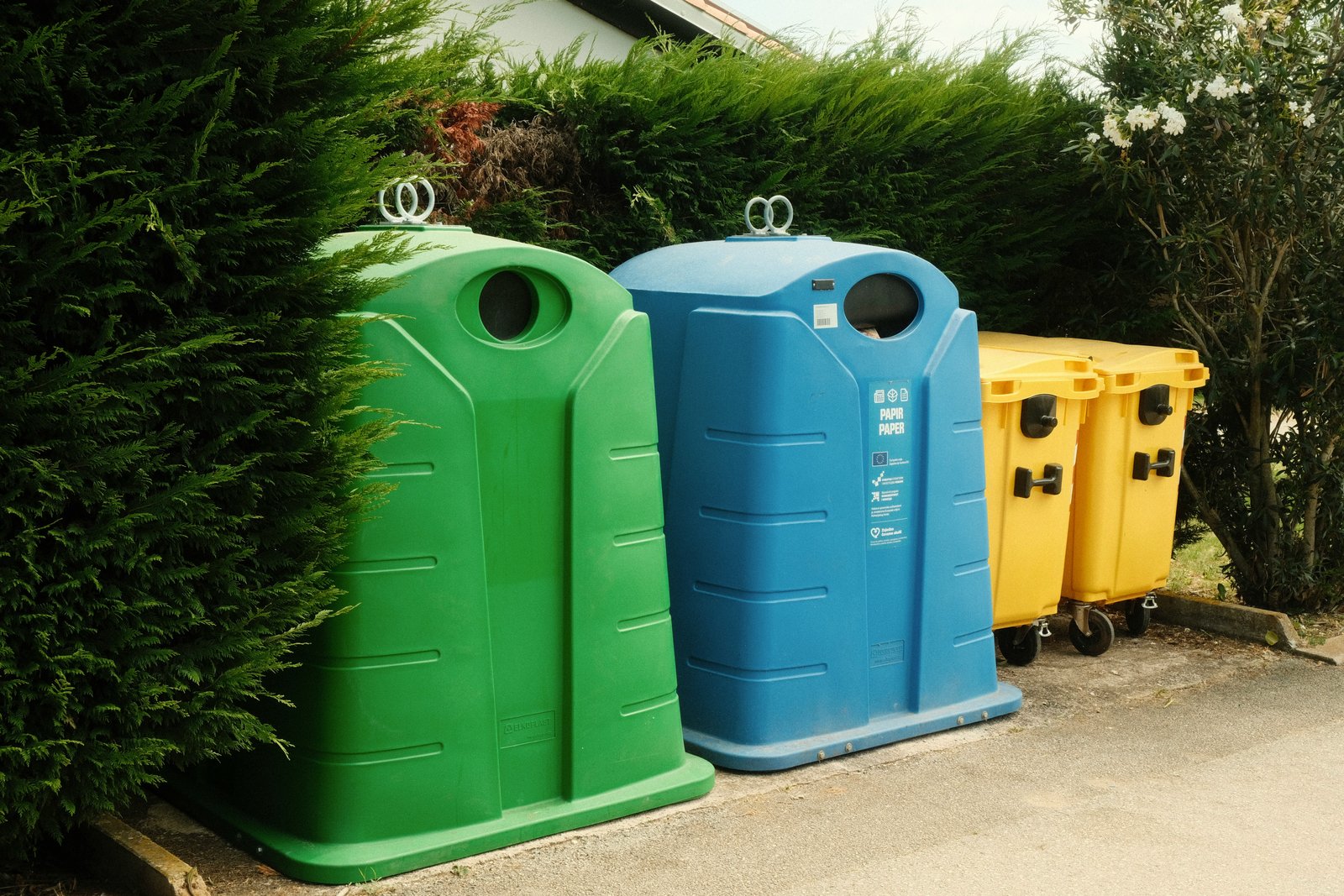
This course examines how businesses and governments can implement solid waste management strategies to boost efficiency, ensure regulatory compliance, and advance sustainability goals. It covers designing scalable recycling systems and selecting suitable recycling technologies for various waste types. As environmental standards tighten and circular economy models expand, effective waste management is vital for resilience and policy alignment. The course offers practical insights to transform waste challenges into strategic, value-driven opportunities
Audience/ Who should attend
Corporate staff in sustainability, operations, logistics and procurement
Facility managers overseeing waste handling, tracking, and internal reporting
Companies cutting costs, improving performance, and enhancing ESG
Firms aligning waste goals with ISO, GRI, CDP, or CSRD
Public institutions managing municipal waste or shaping waste policies
Waste consultants and providers ensuring technical and regulatory compliance
Course objectives
This course aims to equip participants with practical knowledge on solid waste management and its application in business contexts.
Understand how waste impacts efficiency, operational costs, and compliance risks
Identify circular economy opportunities across processes and value chains
Align with EU and national waste regulations to avoid penalties
Support ESG goals through resource efficiency and stakeholder engagement
Drive innovation in design, packaging, and procurement via waste reduction
Learn key factors for building scalable recycling systems effectively
Explore recycling technologies suited to waste type and local needs
Recognize waste management’s role in climate and development policies
Course Outlines
Day 1: Understanding Waste and Its Strategic Importance
Understand solid waste types and business implications
Shift from linear to circular economy for value
Analyze global and EU waste generation trends
Build the business case for sustainable waste management
Day 2: Waste Composition and Analytical Tools
Use waste composition analysis to optimize audits
Understand characteristics for effective waste management
Apply source separation to cut costs and boost recycling
Assess energy potential for recovery or fuel sales
Day 3: Regulatory Framework and Corporate Compliance
Know key EU and Italian waste obligations for companies
Apply Waste Directive to corporate waste strategy
Use end‑of‑waste criteria to create marketable materials
Prepare for EPR and comply with ELW classification rules
Day 4: Designing an Integrated Waste Management Strategy
Structure corporate waste policy across multiple facilities
Compare kerbside and street container collection costs
Leverage composting for organic waste revenues
Adopt prevention strategies to cut waste and treatment costs
Day 5: Applying Circular Economy and Waste Prevention in Business
Turn waste into inputs with industrial symbiosis
Optimize costs using Pay-As-You-Throw models
Integrate eco-design, green procurement for prevention
Adapt municipal prevention to corporate packaging reuse
Field trip
Course Outlines
Day 1: Understanding Waste and Its Strategic Importance
Day 2: Waste Composition and Analytical Tools
Understand solid waste types and business implications
Shift from linear to circular economy for value
Analyze global and EU waste generation trends
Build the business case for sustainable waste management
Use waste composition analysis to optimize audits
Understand characteristics for effective waste management
Apply source separation to cut costs and boost recycling
Assess energy potential for recovery or fuel sales
Day 3: Regulatory Framework and Corporate Compliance
Day 4: Designing an Integrated Waste Management Strategy
Know key EU and Italian waste obligations for companies
Apply Waste Directive to corporate waste strategy
Use end‑of‑waste criteria to create marketable materials
Prepare for EPR and comply with ELW classification rules
Structure corporate waste policy across multiple facilities
Compare kerbside and street container collection costs
Leverage composting for organic waste revenues
Adopt prevention strategies to cut waste and treatment costs
Day 5: Applying Circular Economy and Waste Prevention in Business
Turn waste into inputs with industrial symbiosis
Optimize costs using Pay-As-You-Throw models
Integrate eco-design, green procurement for prevention
Adapt municipal prevention to corporate packaging reuse
Field trip
Note: The actual course delivery may not follow the exact order of the outlined topics and may place greater emphasis on certain areas based on participant needs and relevance.
Smart Waste Practices, Stronger Institutions
Applying Smart Waste Practices enhances trust and reliability for both companies and governments. It shows commitment to sustainability, improves efficiency, and adds value through cost savings, innovation, and stronger public and stakeholder confidence.
Certification
Upon completion of this course, participants will receive a certificate from Tourmaline Training, including digital verification for authenticity.
Languages: Arabic/ English
Locations: Milan (Italy), Roma (Italy), New York (USA), New Haven (USA), Boston (USA), Istanbul (Turkey), Online
Duration: 1 week
Milan, Italy
6 Apr – 10 Apr 2026
3900
Roma, Italy
6 Apr – 10 Apr 2026
4400
New York, USA
6 Apr – 10 Apr 2026
7500
Boston, USA
6 Apr – 10 Apr 2026
7000
Istanbul, Turkey
6 Apr – 10 Apr 2026
3900
Online
6 Apr – 10 Apr 2026
1400
Milan, Italy
13 Apr – 17 Apr 2026
3900
Roma, Italy
13 Apr – 17 Apr 2026
4400
New York, USA
13 Apr – 17 Apr 2026
7500
Boston, USA
13 Apr – 17 Apr 2026
7000
Istanbul, Turkey
13 Apr – 17 Apr 2026
3900
Online
13 Apr – 17 Apr 2026
1400
Milan, Italy
20 Apr – 24 Apr 2026
3900
Roma, Italy
20 Apr – 24 Apr 2026
4400
New York, USA
20 Apr – 24 Apr 2026
7500
Boston, USA
20 Apr – 24 Apr 2026
7000
Istanbul, Turkey
20 Apr – 24 Apr 2026
3900
Online
20 Apr – 24 Apr 2026
1400
Milan, Italy
27 Apr – 1 May 2026
3900
Roma, Italy
27 Apr – 1 May 2026
4400
New York, USA
27 Apr – 1 May 2026
7500
Boston, USA
27 Apr – 1 May 2026
7000
Istanbul, Turkey
27 Apr – 1 May 2026
3900
Online
27 Apr – 1 May 2026
1400
Milan, Italy
4 May – 8 May 2026
3900
Roma, Italy
4 May – 8 May 2026
4400
New York, USA
4 May – 8 May 2026
7500
Boston, USA
4 May – 8 May 2026
7000
Istanbul, Turkey
4 May – 8 May 2026
3900
Online
4 May – 8 May 2026
1400
We provide full flexibility in selecting hosting locations and course schedules in line with your availability and preferences. Contact us to schedule a meeting and discuss your specific requirements and expectations!